
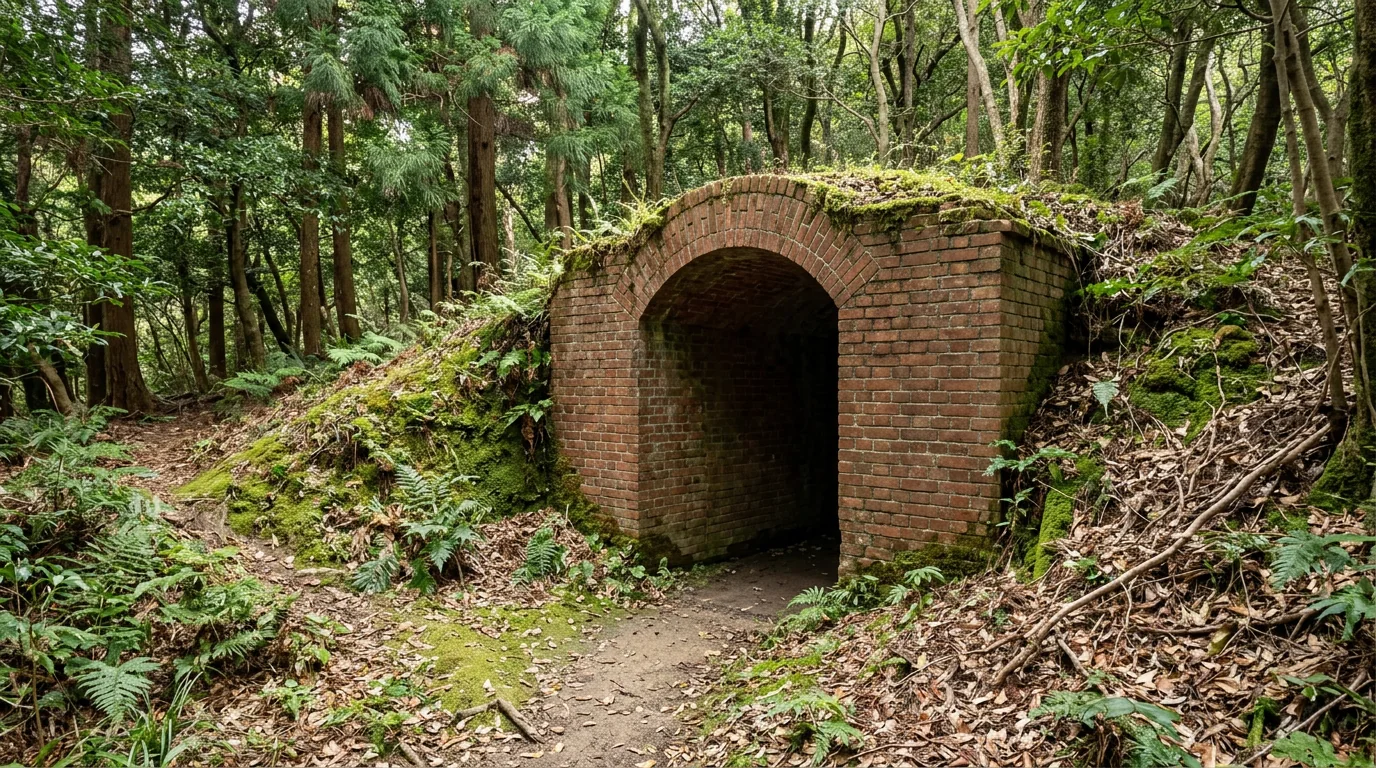
Tomogashima is worth considering from Osaka if you want forest paths, coastal views and old military ruins rather than another city sightseeing circuit. But plan it as a full outdoor day with a weather-dependent ferry—not an island you can casually drop into between appointments.
There is an important catch before we get to the brick archways: on this guide's check date, October 14, 2026, the ferry operator lists no sailings because it is Wednesday. Save this for a suitable operating day, and check again before travelling.
The appeal is not that nobody knows about the place. They do. It is that an island walk through former coastal defences offers a completely different kind of day from shopping streets and temple queues. The boat timetable is part of that day, whether your camera likes it or not.
What is Tomogashima, and which island do you visit?
Tomogashima is the collective name for four islands off Kada, in Wakayama. The main visitor destination is Okinoshima. Do not read “four islands” and imagine a little island-hopping network that you can wander between.
The old fortifications are real military infrastructure, not a purpose-built fantasy attraction. Wakayama City's account of the batteries explains their development as part of the Yura Fortress defences during the Meiji period, protecting the approaches to Osaka Bay. Civilian access was restricted until the end of the Second World War.
That history changes how the place reads. Brick passages and substantial earthworks are not mysterious because somebody designed them to look spooky. Their original purpose has gone, while the structures remain in a woodland setting. You do not need an invented ghost story to find that interesting.
Check the boat before you check the photo spots
The Tomogashima Kisen operator website is the source to use for current operations and fares. At the time of checking, it lists the adult return fare as ¥2,800, following a July 1, 2026 increase. The crossing takes approximately 20 minutes. Rail travel is additional.
Older tourism pages still show lower fares. A page can be official and still contain an old price; for the boat, use the operator's current information.
Wednesdays are normally non-operating days, with holiday and busy-period exceptions. Weather can also change the service. The operator's October 13 notice, for example, limited departures because of forecast strong winds. That is a dated example, not the schedule for your future visit.
The operator also says it distributes same-day boarding queue tickets and does not take previous-day reservations. Check its latest instructions rather than assuming you have secured a seat by arriving in Kada.
Our planning advice: decide your return crossing before setting off on the island. Then give yourself a generous margin to get back to the pier. “One more tunnel” is not a transport strategy.
Getting there from Osaka without confusing the stations
A straightforward rail approach starts at Nankai Namba, continues to Wakayamashi Station, then uses the Kada Line to Kada. Wakayamashi is not the same station as JR Wakayama; check the actual station name when planning your connection.
Nankai's Kada guide describes this approach and places the walk from Kada Station to the ferry landing at around 15 minutes. Treat that as a walking estimate, not the amount of time to leave between your train's arrival and the boat's departure.
You still need to find the landing, deal with boarding arrangements and allow for connections. Work backwards from the sailing you want. We would not squeeze this into the spare hours before a flight or a fixed evening commitment.
Make it a walk, not a collection of tunnel photos
The city's downloadable island maps are useful for understanding the layout before you arrive. They identify Nonaura Pier, the Third Fort ruins, the lighthouse and viewpoints. The English map describes the Third Fort as the largest of the island's fort ruins; the lighthouse dates to 1872.
Those are possibilities to assess against the current open paths, not a promise that every stop will fit your visit. Start by checking the information near the landing and decide how much walking is sensible for your group and available time.
A good version of this day might involve one substantial ruins stop, a stretch of woodland walking and a place to sit with your lunch. It does not need to include every battery. Leave time to look at the brickwork, understand the defensive setting and notice the changes between enclosed passages and open coast.
If your priority is one particular photograph, ask yourself whether you would still enjoy the trip if that section were inaccessible. If the answer is no, this is a risky destination to build a day around.
The path restrictions are not decorative
Wakayama City's path-condition notice, updated August 1, 2026, warns that heavy rain has left some surfaces in poor condition. It also says Shinjaike Pond and Torajima remain unavailable for visits. Consult the linked closure map before going, then obey the signs and barriers on site.
Pack for walking rather than posing: shoes with useful grip, drinking water, food, weather protection and a small torch for dark sections where entry is permitted. A phone light is handy, but keep enough battery for your journey information too.
Carry a small daypack instead of a suitcase. Do not climb damaged structures or duck under a barrier for an empty frame. An old visitor photo tells you what somebody once saw; it does not establish today's access.
Who should choose this trip—and who should skip it?
Choose Tomogashima if the combination of walking, military history and coastal scenery is the attraction, and you can keep the day flexible. Assume other visitors may share the popular spots. Lesser-known internationally does not mean deserted.
Skip it this time if you need predictable transport, a low-walking outing or a day that works regardless of weather. Check the terrain carefully if anyone in your group has mobility concerns; an island ruins walk should not become an endurance test sprung on a travelling companion.
If what you really want is an atmospheric story-led walk without the ferry logistics, our Osaka Ghost Tour is a different kind of option. It is not a substitute for Tomogashima's history or landscape, and we would not schedule it tightly against an island return.
The point of going beyond the guidebook is not to replace a famous sight with a more awkward famous photograph. Choose a place because the whole day sounds worthwhile. At Tomogashima, that means the forest and the history—and respecting the boat home.
Travel details checked October 14, 2026. Recheck ferry operations and path restrictions before departure. The featured image is an AI-generated illustration inspired by the island's brick fort architecture, not a documentary photograph of a specific site.