
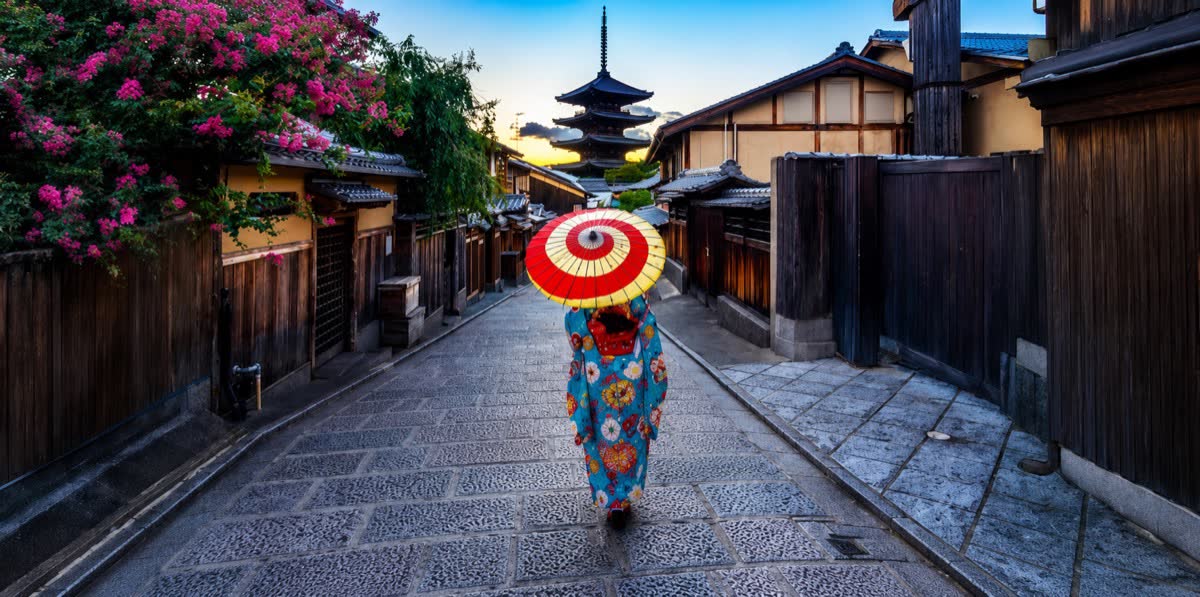
The most common misconception about geisha is that they're simply women in beautiful kimono who serve tea and entertain tourists. Geisha are highly trained performing artists who have studied traditional Japanese arts for years, and in Kyoto's five hanamachi districts, they operate within a centuries-old apprenticeship system that most visitors never see. In Kyoto, they're called geiko (the local dialect term), and their maiko apprentices are the ones you're most likely to spot on the streets of Gion or Pontocho.
The Myth: Geisha Are Kimono-Clad Hostesses
Travel blogs and Instagram captions keep repeating the idea that geisha are 'traditional Japanese hostesses' or 'cultural ambassadors in beautiful dress.' You'll read things like 'geisha entertain guests at tea houses' or 'they preserve the art of conversation.' Tour companies offer 'geisha experiences' where you dress up and take photos. The suggestion is that the role is mostly decorative or hospitality-focused, something anyone could do with the right costume.
This reduces a demanding artistic profession to a pretty performance. It completely misses what geiko actually do.
The Reality: Geiko Are Professional Artists in a Closed System
A geiko in Kyoto has typically trained for five to six years as a maiko, studying multiple art forms at once: shamisen (three-stringed instrument), various styles of traditional dance, singing, tea ceremony, flower arrangement, and the complex etiquette of the ozashiki banquet room. They don't work for tour companies. They work for ochaya — exclusive tea houses in the hanamachi where they perform for private gatherings.
These aren't public venues. You cannot simply book a reservation. Access requires an introduction from an existing patron, and a single evening with geiko entertainment costs anywhere from ¥50,000 to ¥200,000 or more. The geiko are paid professional fees by the ochaya, which coordinates their schedule through the kaburenjo office in each district. They perform traditional arts — jiuta mai dance, kouta songs, ozashiki asobi (traditional banquet games) — for clients who understand and appreciate these specific art forms.
In Miyagawacho, the smallest hanamachi, there are currently about twelve active geiko and maiko combined. In Gion Kobu, perhaps eighty. These aren't large numbers. Most have been training since their mid-teens and live in okiya (geisha houses) under the management of an okaasan (house mother) who oversees their careers.
Why the Myth Exists
The misunderstanding has several sources. First, the word 'geisha' itself translates roughly to 'arts person,' which sounds vague. Second, the most visible aspect of geiko culture is visual — the maiko walking to appointments in full formal dress, white makeup, elaborate hairstyles with kanzashi ornaments. These images dominate tourism marketing, separating the appearance from the actual profession.
Third, the rise of 'maiko makeover' experiences in Kyoto (where tourists dress as maiko and pose for photos) has blurred the line between costume and profession. Visitors see someone in maiko dress and assume they understand what a maiko does, when they've only engaged with the surface aesthetics. Finally, language barriers mean that most international visitors never read Japanese sources explaining the hanamachi system, the training structure, or the artistic standards.
What This Means for Your Trip
If you see a woman in full maiko dress in Gion around 6pm, she's on her way to work — a private ozashiki engagement. She is not there for photographs. The constant tourist attention in certain streets has become a real problem. Kyoto has posted signs in Gion asking visitors not to photograph geiko and maiko without permission, and some alleys are now off-limits in the evening.
If you want to understand geiko culture, attend one of the public dance performances: Miyako Odori in April (Gion Kobu), Kamogawa Odori in May (Pontocho), Kitano Odori in April (Kamishichiken). These are formal dance recitals where geiko and maiko perform on stage. Tickets are ¥2,000-5,000, no introduction needed. You'll see the actual training and artistry.
Do not book a 'geisha dinner experience' assuming you're meeting real geiko. Most tourist-accessible geisha experiences use women dressed as maiko who are not part of the hanamachi system. There's nothing wrong with this as a cultural activity, but it's not the same as encountering working geiko.
From a Guide's Perspective
When we walk through Gion in the early evening, I point out the ochaya — they're the traditional machiya townhouses with wooden lattice fronts, often with a small discreet sign (our Kyoto Ghost Tour passes several). You can identify them by their sliding doors and the fact that they have no visible storefront or menu. The hanamachi geography is specific: in Gion Kobu, the ochaya concentrate on Hanami-koji and the side streets. In Pontocho, they're along the narrow alley running parallel to the Kamogawa River. We time our routes to avoid the peak ozashiki appointment hours (around 6pm) when maiko are most likely to be walking to work, because the whole point is to let them do their jobs without interference. The contrast between the tourist-filled main streets and the quiet, private world of the ochaya is striking — you're looking at two completely different economies and cultural systems operating side by side.
Japanify's evening routes move through the hanamachi districts with context about the training system and the architectural markers of ochaya versus regular restaurants, helping guests understand what they're seeing.
FAQ
Can I meet a real geiko in Kyoto without a connection?
Not in a traditional ozashiki setting — those require an introduction. But you can attend public dance performances during the annual odori seasons in spring and fall, where geiko and maiko perform on stage. Some high-end hotels like the Gion Hatanaka occasionally offer very limited ozashiki experiences for guests, though these are expensive (¥30,000+ per person) and still somewhat simplified.
What's the difference between geiko and maiko?
Maiko are apprentices, typically ages 16-20, who wear elaborate furisode kimono with long sleeves, okobo platform sandals, and ornate hair ornaments. Their makeup is the iconic white base with red accents. Geiko are fully qualified professionals who wear more subdued hikizuri kimono with shorter sleeves, simpler hairstyles (often wigs), and less dramatic makeup. The distinction is significant — a maiko is still learning, while a geiko is a master artist.
Why do some geiko look more 'dressed up' than others?
You're probably seeing maiko, not geiko. Maiko wear much more elaborate and colorful kimono because their appearance is part of their apprenticeship training — they're learning how to move and perform in extremely formal dress. Geiko dress more subtly because their artistry speaks for itself. The most experienced geiko often wear the simplest, most expensive kimono — solid colors, minimal patterns, but extraordinary silk quality and craftsmanship.