
The Kurama Fire Festival is scheduled for Thursday, October 22, 2026, from 18:00 into the night. If you are visiting from central Kyoto, plan the return journey first: Eizan Railway lists the last Kurama departure for Demachiyanagi at 23:24, while the festival's official listing runs past midnight.
That mismatch matters more than finding the perfect place to stand. A festival can still be going when your practical way home is not.
The new development this week is a transport notice, not a change to the festival's traditional date. In its October 9 announcement, Eizan Railway confirms a special festival timetable. It warns that some journeys will take longer, boarding may be restricted and waiting does not guarantee you will get on a train. If police request a stop because of crowd conditions, the railway says it will suspend festival-bound transport to Kurama.
When and where is Kurama Fire Festival 2026?
Kyoto City's official tourism listing gives October 22, 2026, with an evening programme from 18:00 until after 24:00. The setting is Yuki Shrine and the surrounding Kurama village streets in northern Kyoto.
This is not a central-city procession with several convenient stations along its route. Treat it as a dedicated evening excursion. The date, the transport situation and your willingness to deal with crowds should decide whether it fits your trip—not just a dramatic fire photograph.
The same listing places ordinary access to Yuki Shrine at a six-minute walk from Kurama Station. Do not turn that into a festival-night guarantee. Getting off a train, following crowd controls and finding a permitted viewing position are different things from an ordinary walk to a shrine.
What the fire is actually about
Yuki Shrine's own account connects the festival to the transfer of its deities from the imperial palace to Kurama in 940. According to the shrine tradition, torches and roadside fires accompanied that reception; the community has preserved the memory through the festival.
The shrine describes an evening that develops from household fires and smaller torches into larger torch processions, then portable-shrine rituals. In other words, the fire is part of a religious and neighbourhood event, not a separate attraction staged for visiting cameras.
Japan National Tourism Organization's festival guide also emphasises the involvement of local families and the progression from children's smaller torches to the larger ones carried by adults. That community dimension is worth remembering when you are standing outside someone's home hoping for a clear photograph.
You are there to observe. Give participants room, follow directions and accept that a restricted view is still a view. The event does not owe every visitor an unobstructed front row.
How to get there from central Kyoto
The key interchange is Demachiyanagi, where you change to Eizan Railway for Kurama. Use the festival timetable for October 22 rather than assuming the ordinary weekday journey applies.
Eizan's official access guide sets out the connections. From Kyoto Station, one rail option is the JR Nara Line to Tofukuji, then Keihan to Demachiyanagi. From the Gion-Shijo area, Keihan provides the approach to Demachiyanagi before the Eizan transfer.
Map the whole trip from your accommodation, not just the final railway segment. Build in time for transfers and queues, and keep the latest operator notice accessible on your phone. An app's usual travel estimate cannot promise that you will board during a festival restriction.
Why driving is not a clever workaround
The official event listing says general-vehicle traffic is restricted between Kibuneguchi and Kurama Onsen from 15:00 on October 22. It also says the area's parking facilities are closed for the day, including for people who arrive before the road restriction starts. Its instruction is to use public transport.
So do not interpret “arrive early” as “drive up before three and find a space.” Nor should you make an unverified taxi pickup your entire fallback plan. Check arrangements directly rather than assuming a car can reach the place where you finish watching.
Plan an earlier train, not a last-second escape
The published 23:24 departure is a last train, not a recommended time to join a queue. Our advice is to choose an earlier return and allow a generous margin for moving through the village and station area.
Check onward connections from Demachiyanagi as well. Reaching that station does not automatically complete the journey to your hotel, Osaka or somewhere farther away. If your itinerary only works when every transfer goes perfectly, loosen it before you leave.
Agree on a departure plan with anyone travelling with you. Decide what you will do if you become separated, keep your accommodation address saved and carry enough phone charge for the trip home. These are small preparations that spare you an argument over whose final photograph made everybody late.
There is no shame in leaving while something interesting is still happening. A good festival visit is not measured by whether you witnessed the final moment.
What to bring—and when to choose another evening
Take a small bag, comfortable walking shoes, a layer for waiting outside and a charged phone. Keep your hands and the space around you free. Follow staff and police instructions about movement; do not block a passage while reviewing photographs or setting up equipment.
Think carefully about whether this is the right outing for young children or anyone who finds prolonged standing and dense crowds difficult. The operator's warnings are enough reason to discuss that beforehand. They are not a promise that the event is unsuitable for every family, but they should rule out casually surprising someone with the plan.
If what you want is an atmospheric Kyoto evening with a more predictable structure, our Kyoto Ghost Tour is a different option on a suitable date. It is not part of the fire festival, and we would not try to squeeze both into the same evening.
Kurama can be compelling precisely because it is a living local tradition rather than a tidy visitor experience. Go if that appeals to you. Just make the train home part of the plan before the torches become the only thing you are thinking about.
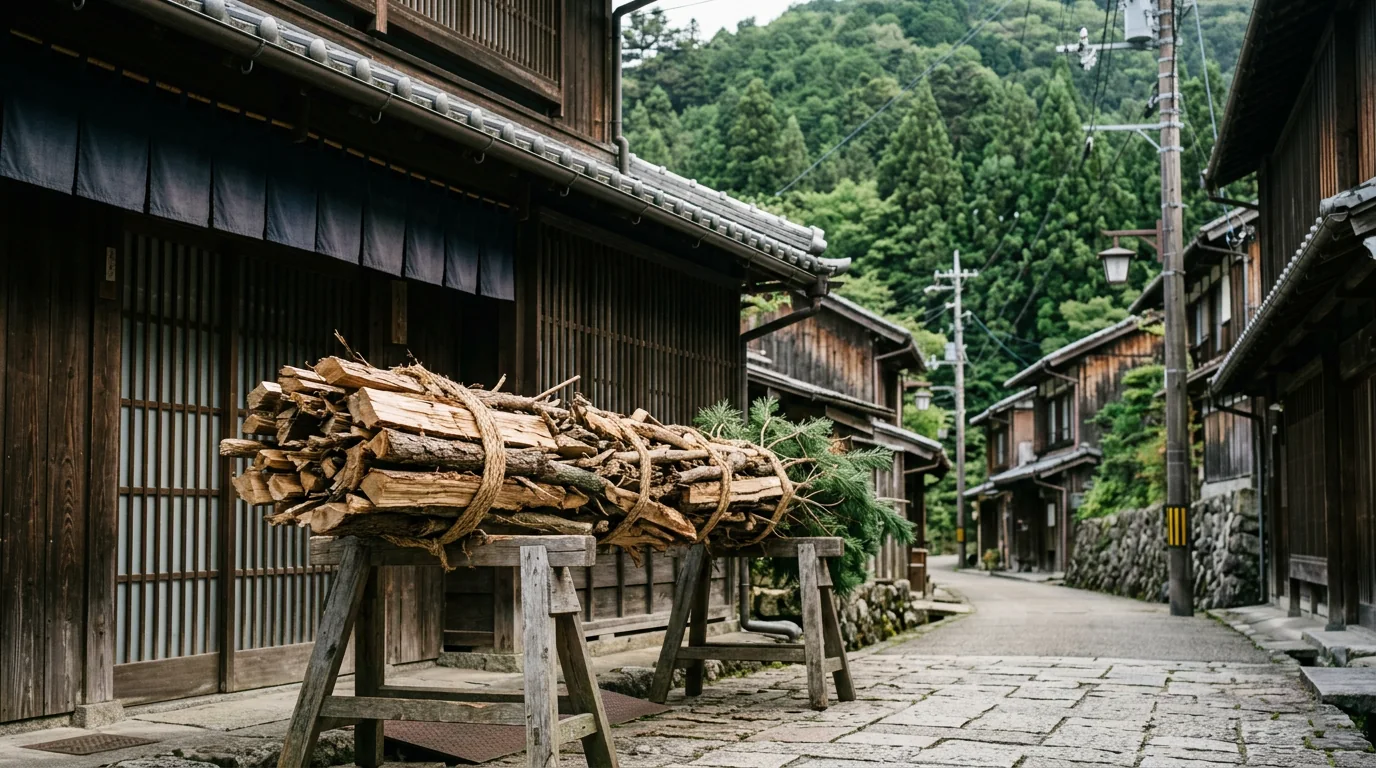
Checked October 16, 2026. Festival arrangements and railway operations can change; recheck the official sources before travelling. The featured image is an AI-generated illustration of imagined daytime preparations, not a documentary photograph of the 2026 festival.