
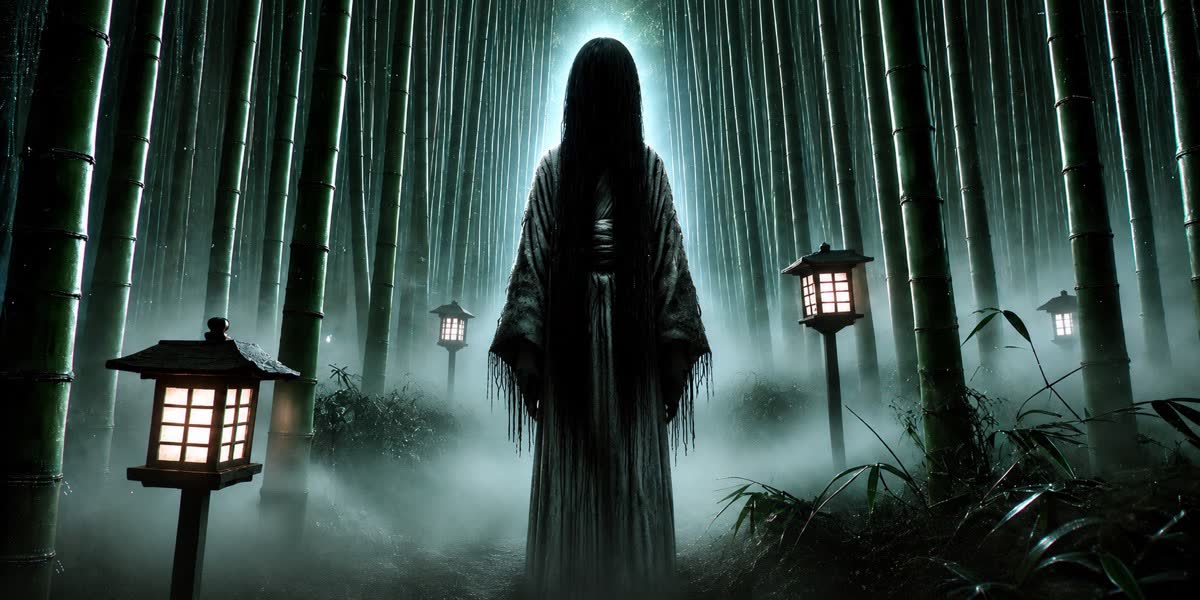
Kyoto's haunted reputation is not tourist mythology. The city served as Japan's imperial capital for over a thousand years, survived catastrophic plagues that killed a third of its population, and was the site of prolonged political violence across multiple eras. The supernatural traditions that grew from that history are tied to specific places — and several of those places are still publicly accessible today.
Most "haunted Kyoto" articles recycle the same handful of names without explaining why those places carry dark reputations. Here is the real history behind the most significant ones.
Adashino Nenbutsuji, Arashiyama
This is the most genuinely haunting site in Kyoto that most visitors walk past without understanding what they're seeing. Adashino Nenbutsuji temple exists because for centuries, the bodies of the poor, the abandoned, and the unknown dead were left in this area of Arashiyama without proper burial rites. The practice was widespread during the Heian period — formal burial was expensive and often unavailable for ordinary people.
The Buddhist monk Kukai (Kobo Daishi) and later the monk Honen held memorial services here to appease the restless dead. The stone figures you see throughout the temple grounds — over 8,000 of them — mark the remains of those who were never properly buried. The temple still holds a candlelight ceremony twice a year for the unburied dead.
The Arashiyama bamboo forest
The bamboo grove is famous as a photograph. It is less well known as an area with deep disorientation legends going back to the Heian period. The forest edge near Arashiyama was historically a boundary zone — between the living and the dead, between the city and the mountains — and the particular quality of sound and light in the grove (the way bamboo blocks all exterior noise and creates its own acoustic environment) has generated centuries of stories about travelers becoming lost, confused, or led astray by unseen presences.
The Japanese government has officially designated the sound of wind through Arashiyama's bamboo as one of the "100 Soundscapes of Japan" worth preserving — a recognition of how distinctive and affecting the auditory experience is, even in daylight.
Awataguchi, eastern Kyoto
The Awataguchi area at the eastern edge of the city served as one of Kyoto's primary execution grounds during the medieval period. The site processed prisoners condemned by the shogunate, and the volume of deaths there over several centuries generated significant supernatural folklore. Several temples in the area were established specifically to perform memorial rites for executed criminals — an acknowledgment that deaths by violence, without proper ritual, were considered dangerous to the living.
The neighborhood is quiet and residential today. Knowing what happened there changes how it feels.
Fushimi Momoyama area
Fushimi Castle and its surroundings carry the weight of some of the most significant violence in Japanese history. The castle was the site of the Battle of Fushimi in 1600, where a garrison of samurai loyal to Tokugawa Ieyasu held the castle against overwhelming Ishida Mitsunari forces before ultimately dying in its defense. The samurai committed ritual suicide (seppuku) inside the castle, and the blood-soaked floorboards were later incorporated into temple ceilings across Kyoto as a memorial — you can still see them today at Genkoan and Yogen-in temples.
The area around Fushimi Inari Taisha shrine also carries fox-spirit (kitsune) traditions of considerable depth — the thousands of torii gates were dedicated to the Inari fox deity whose messengers are believed to inhabit the mountain.
Nijojo and the old imperial district
Nijo Castle, built by Tokugawa Ieyasu in 1603, has its own supernatural tradition: the "nightingale floors" (uguisubari) that squeak when walked upon were designed to alert guards to intruders, but the sound they produce — a distinctive, deliberate chirping — has been interpreted in folk tradition as warning of supernatural presences as well. The surrounding imperial district has centuries of folklore around the spirits of emperors who died in political disgrace or exile, particularly Emperor Sutoku, whose vengeful ghost is one of Japan's most famous supernatural legends.
Experiencing Kyoto's haunted history
Japanify's Kyoto Ghost Tour walks the Arashiyama area after dark, covering the ghost stories and yokai folklore connected to the bamboo forest, the lantern-lit back paths, and the history of the district. The Cursed History and Yokai Legends Tour goes deeper into the historical record behind Kyoto's dark reputation — the plague years, the violence, and the specific events that shaped the city's supernatural traditions. Both tours are small-group and run in English.
FAQ
What are the most haunted places in Kyoto?
Adashino Nenbutsuji in Arashiyama, the bamboo forest, the Awataguchi execution grounds area, and Fushimi Castle's surroundings all have historically grounded dark reputations. Kyoto's supernatural reputation comes from real events: plague, political violence, and centuries of ritual activity managing restless spirits.
Is Kyoto actually haunted?
By Japanese standards, yes. The city has one of the highest concentrations of ghost legends in Japan, and that reputation is grounded in real history rather than tourist mythology.
Can you visit haunted places in Kyoto?
Yes. Most are publicly accessible temples, shrines, and walking areas. Japanify's ghost tours visit Arashiyama's historically dark sites after dark with local guide context.
Which part of Kyoto is the most haunted?
Arashiyama has the densest concentration of dark history and supernatural folklore — burial grounds, disorientation legends, mountain spirits, and one of Japan's oldest memorial temples for the unburied dead.