
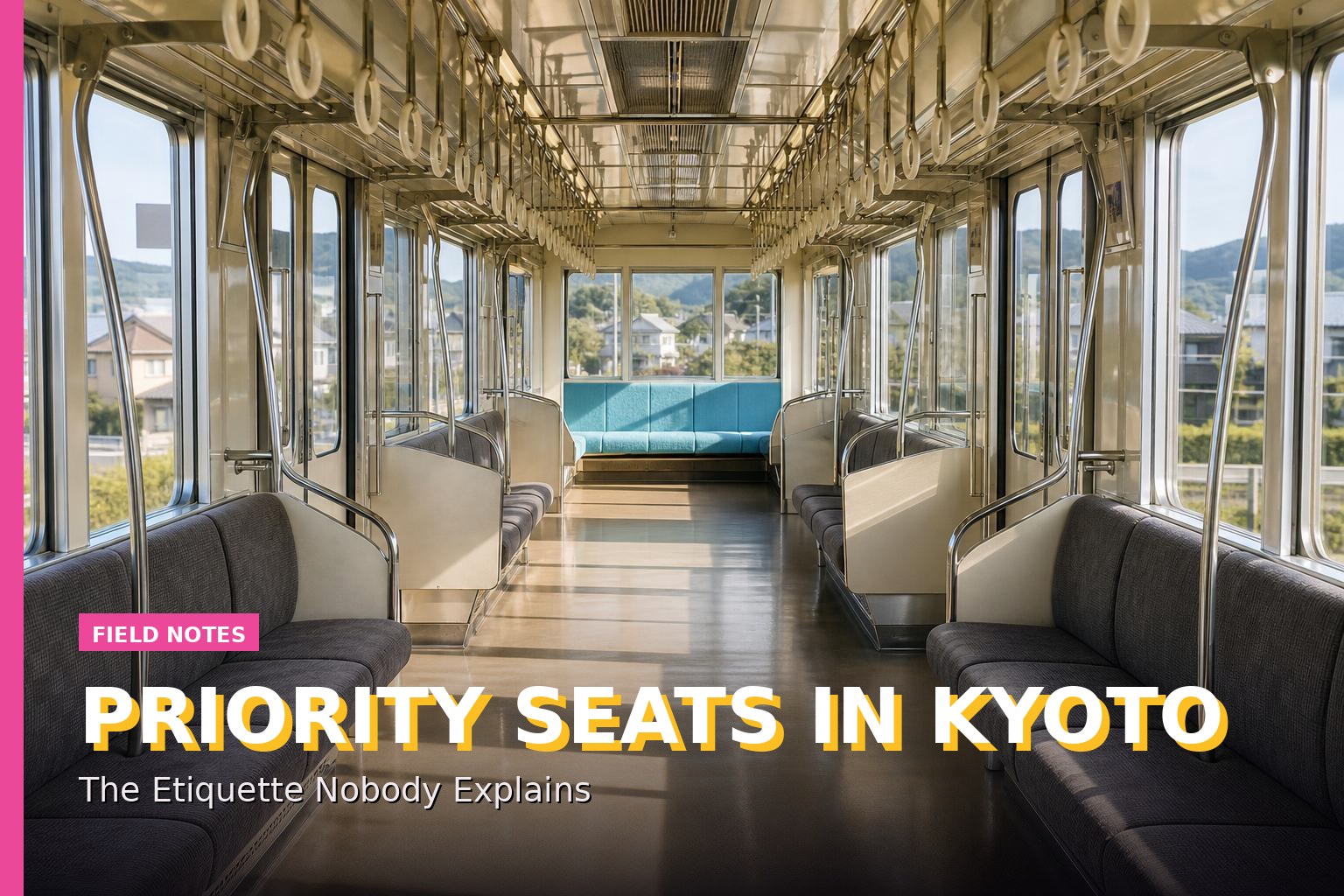
Priority Seats in Kyoto: The Etiquette Nobody Explains
Priority seats on Japanese trains look empty but aren't neutral. Here's how they actually work in Kyoto and Osaka, and why locals pretend to sleep.
Events in Kansai: 23–28 September 2026
Kansai events 23-28 September 2026: Kyoto full moon viewing, Nara's Uneme Festival, Osaka's Mozu Hachiman autumn festival and a Hisaishi candlelight concert.
Kyoto's Autumn Foliage Is Later Than You Think in 2026
The 2026 forecast puts Kyoto's peak red maples in mid-December. Here's what that means for anyone planning an autumn trip around Kansai this year.
Events in Kansai: 18–23 September 2026
Kishiwada Danjiri in Osaka, the Kyoto Manga Anime Fair and Seimei Festival, plus Kobe's week-long Hokkaido Fest shape 18 to 23 September in Kansai.
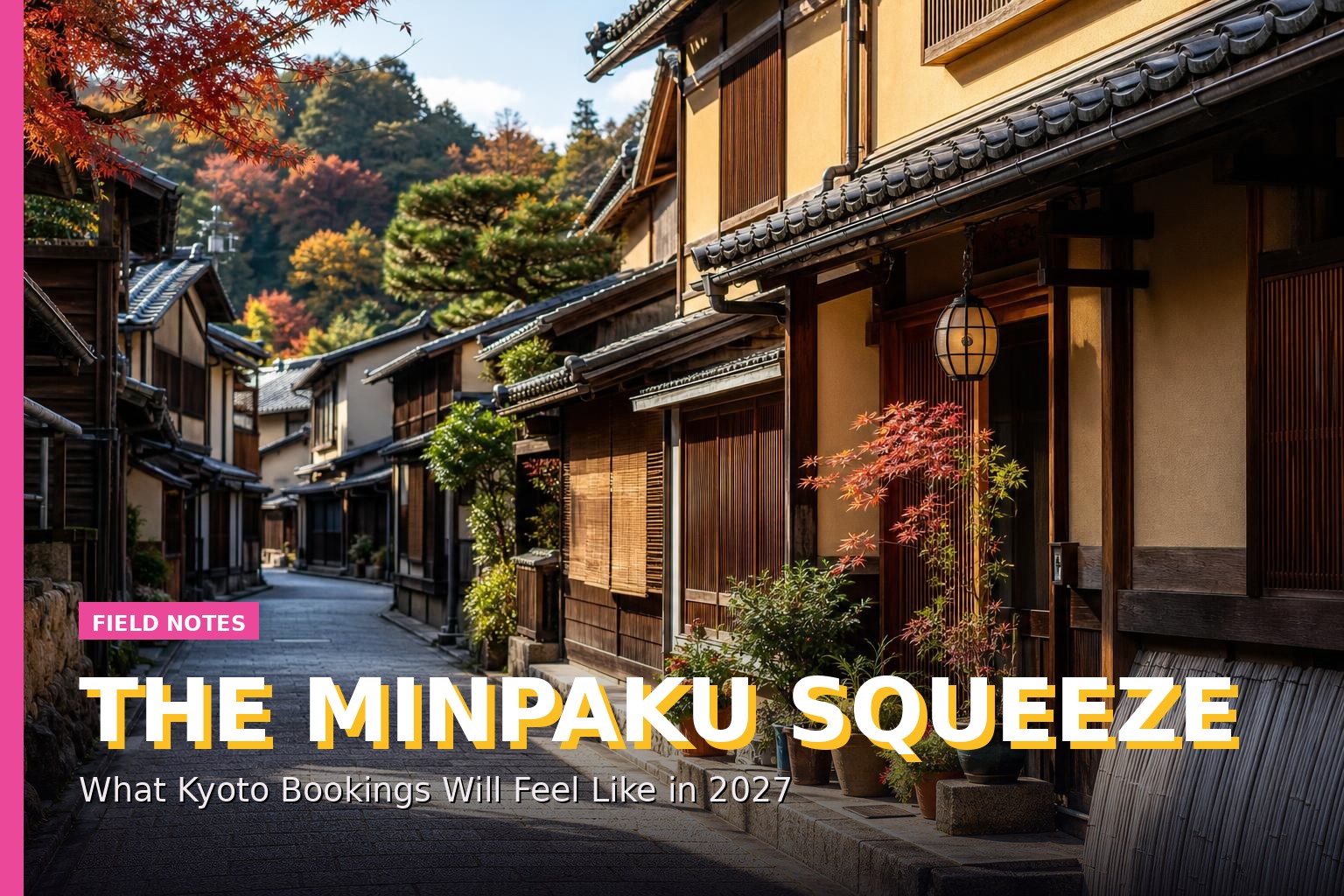
The Minpaku Squeeze: What Kyoto Bookings Will Feel Like in 2027
Tokyo wards are moving to restrict short-term rentals. Here's what the shift means for planning a Kyoto trip in 2027, and how to book without getting caught out.

Events in Kansai: 14–20 September 2026
12 events in Kyoto, Osaka and Kobe, 14–20 September 2026. Dates, venues and a link to every listing.
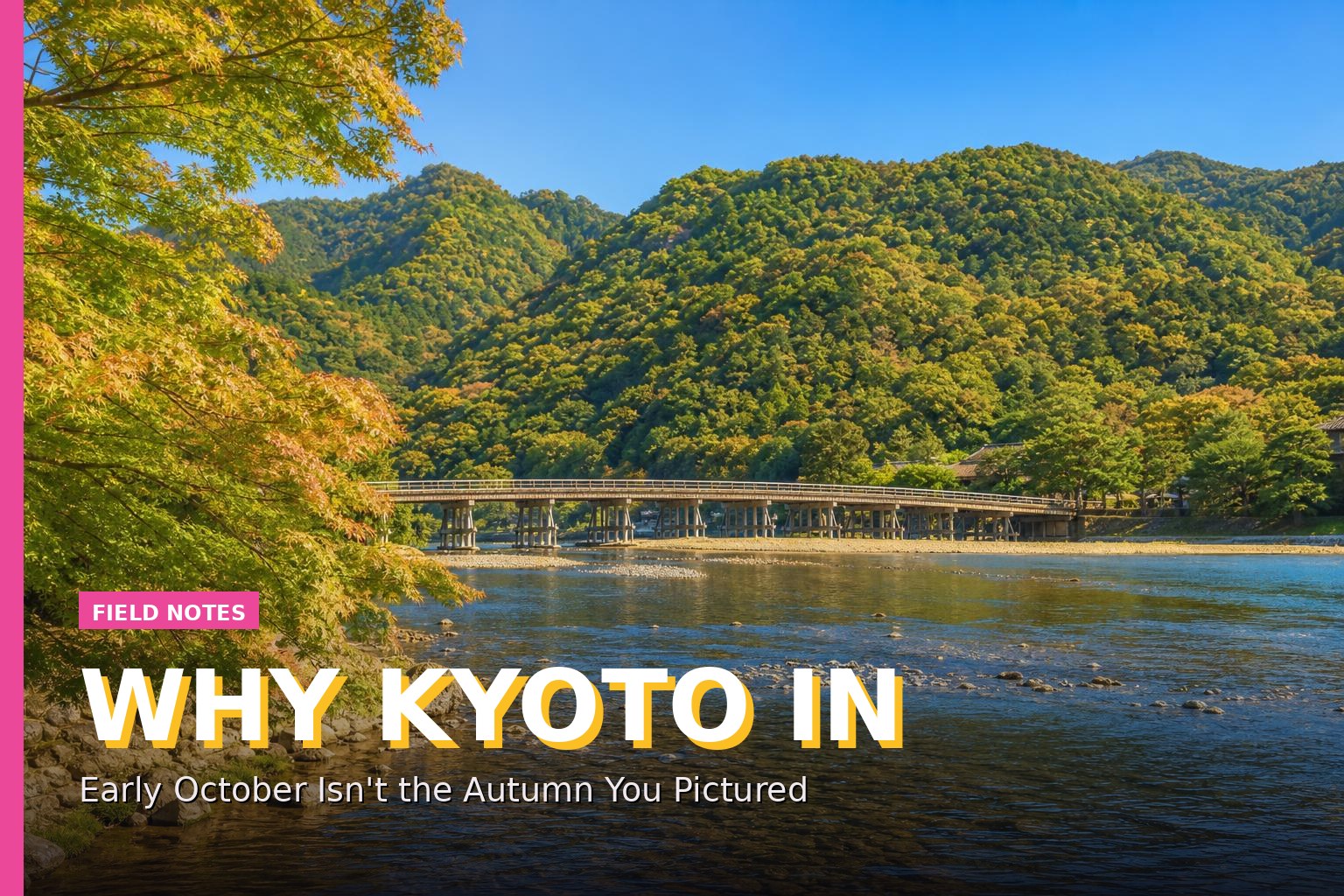
Why Kyoto in Early October Isn't the Autumn You Pictured
Early October in Kyoto isn't peak foliage — and the routes are quieter than travelers expect. Here's what the month actually delivers, and how to plan for it.
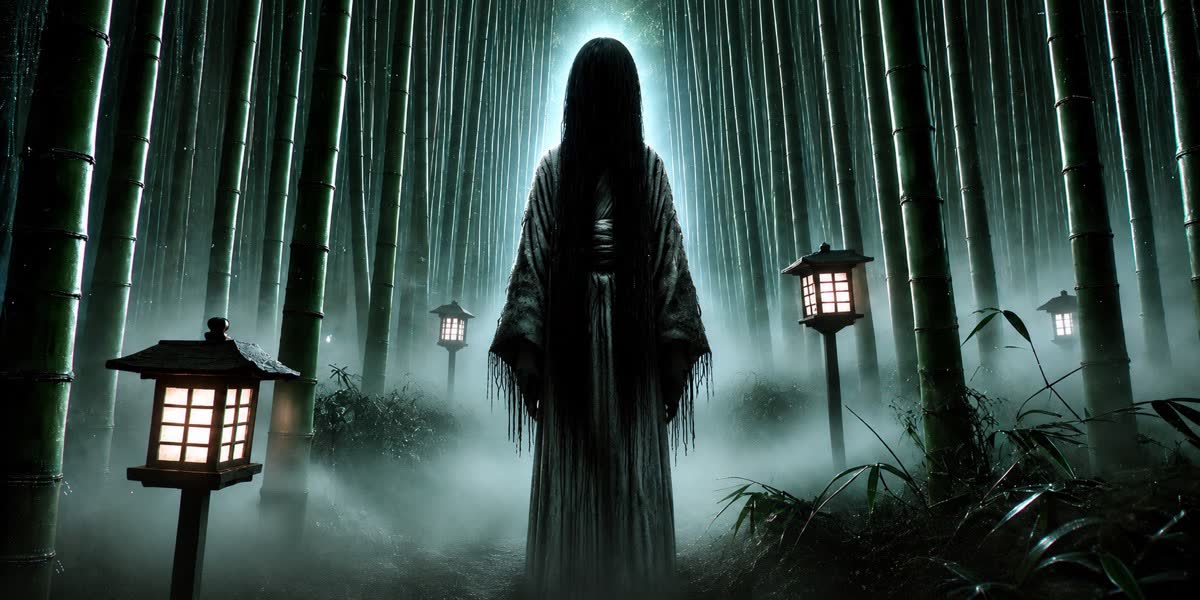
Best Ghost Tours in Kyoto: What to Know Before You Book
Kyoto has several ghost tour options. Here's how they differ, what the experience actually involves, and which one is right for you.
Haunted Places in Kyoto: The Real List
Kyoto's most haunted places are not the ones travel sites usually list. A local guide's breakdown of where the dark history actually happened and why certain places still carry it.
Hidden Places in Kyoto Most Tourists Miss
The best parts of Kyoto are not on the main tourist circuit. A local guide's list of the hidden shrines, quiet temples, and overlooked corners worth visiting slowly.
Is the Arashiyama Bamboo Forest Crowded at Night?
No. After 7 PM the bamboo forest empties almost completely. Here's what it's actually like, why the night experience is so different, and how to do it properly.
Is Arashiyama Haunted?
By Japanese standards, yes. Arashiyama has one of the densest concentrations of ghost legends, cursed history, and yokai folklore in Kyoto. Here's why.
What Is a Yokai? Japanese Folklore Explained for Travelers
Yokai are Japan's supernatural creatures — not quite ghosts, not quite monsters. A practical guide for travelers: what they are, the most famous ones, and where to encounter their stories in Kyoto and Osaka.
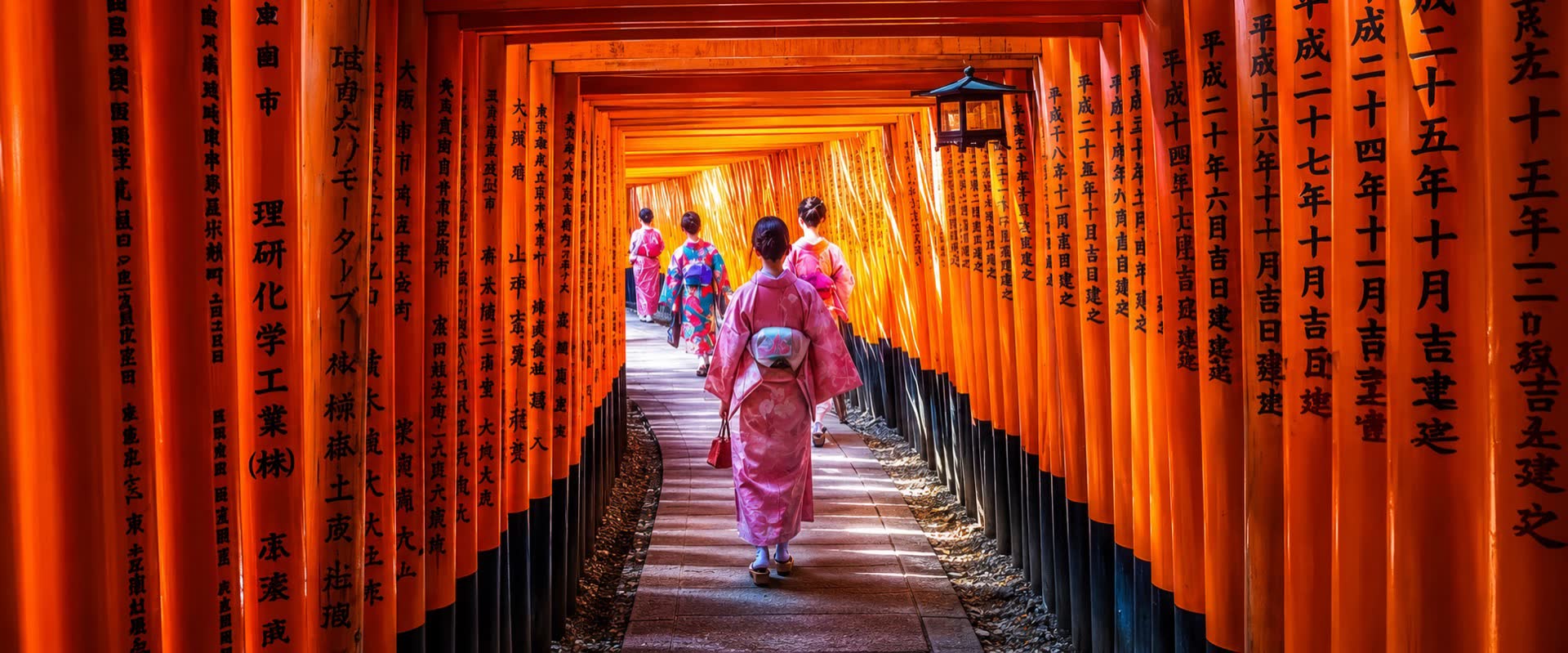
Best Things to Do in Kyoto in 2026: A Local Guide's Honest Shortlist
Arashiyama at dawn, Fushimi Inari's torii gates, Nanzenji's quiet gardens, and ghost stories after dark — how locals sequence Kyoto, and what to skip.

What to Do in Osaka at Night: Street Food, Neon, and Ghost Stories
Dotonbori street food, Hozenji Yokocho's lantern alleys, and a night walk through Osaka's dark legends — a local's plan for the perfect Osaka night.
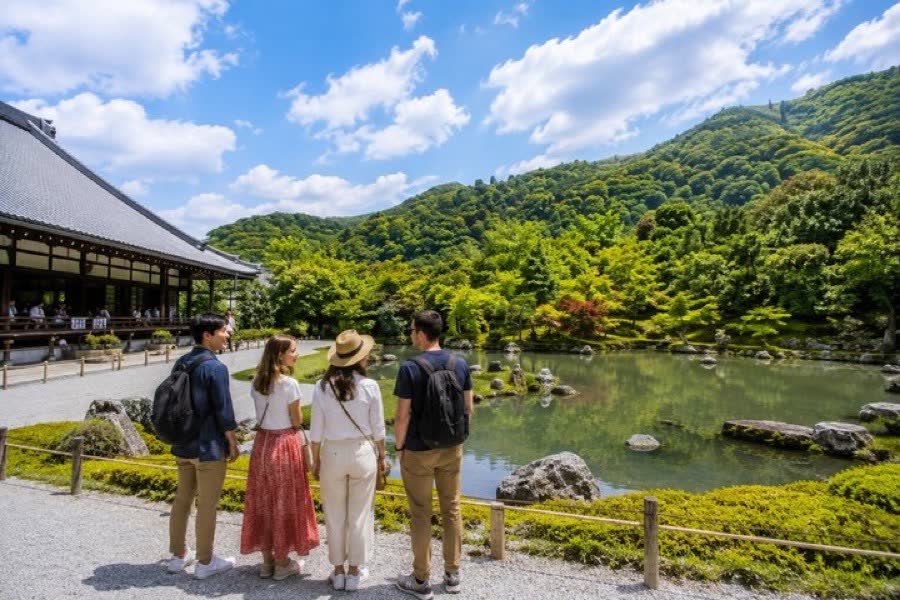
The Art of Omotenashi: Why Japanese Hospitality Feels Different
Omotenashi isn't customer service—it's anticipatory care rooted in tea ceremony principles. Discover why Japanese hospitality operates on different cultural logic.
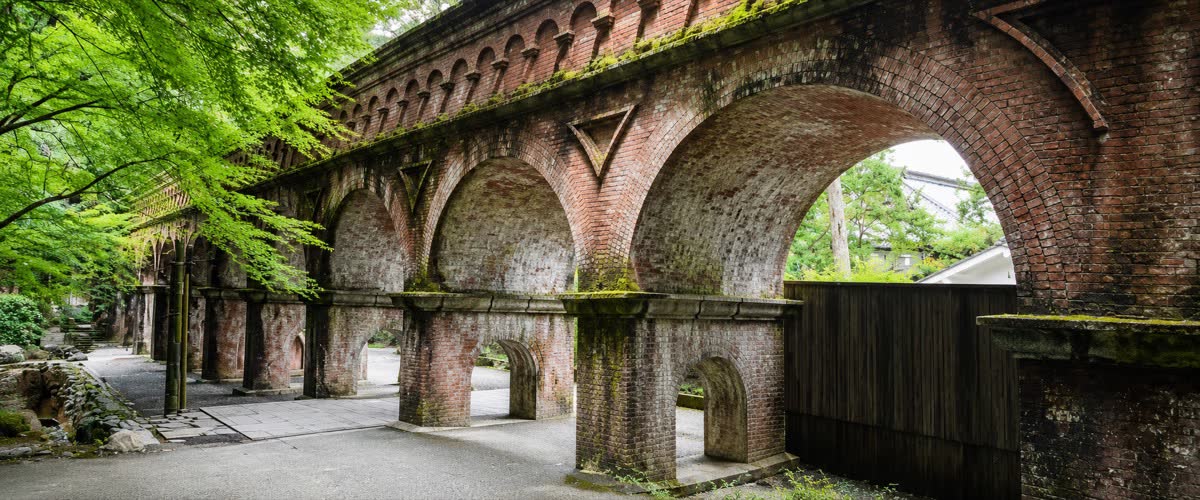
Why You Should Skip Kyoto's Most Famous Temple
Kinkaku-ji isn't worth your time. Here's why Kyoto's golden pavilion fails travelers and which temples deliver the experience you actually want.
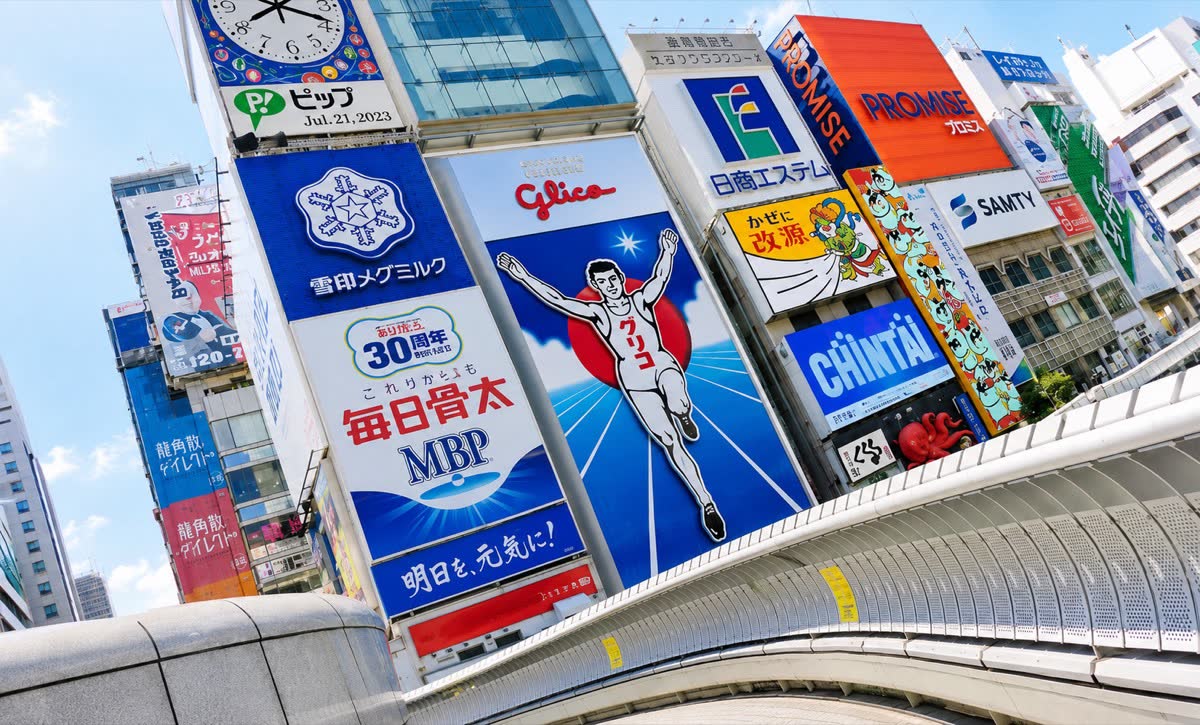
Tokyo Kyoto Osaka 10 Days: Realistic or Stressful?
Is Tokyo + Kyoto + Osaka in 10 days realistic? Real breakdown of the "Golden Route" — what works, what stresses first-timers, and how to pace it right.
What a Torii Gate Is Actually Asking You to Do
Torii gates aren't decorative archways—they're ritual boundaries marking sacred space. Understanding what happens when you pass through one.
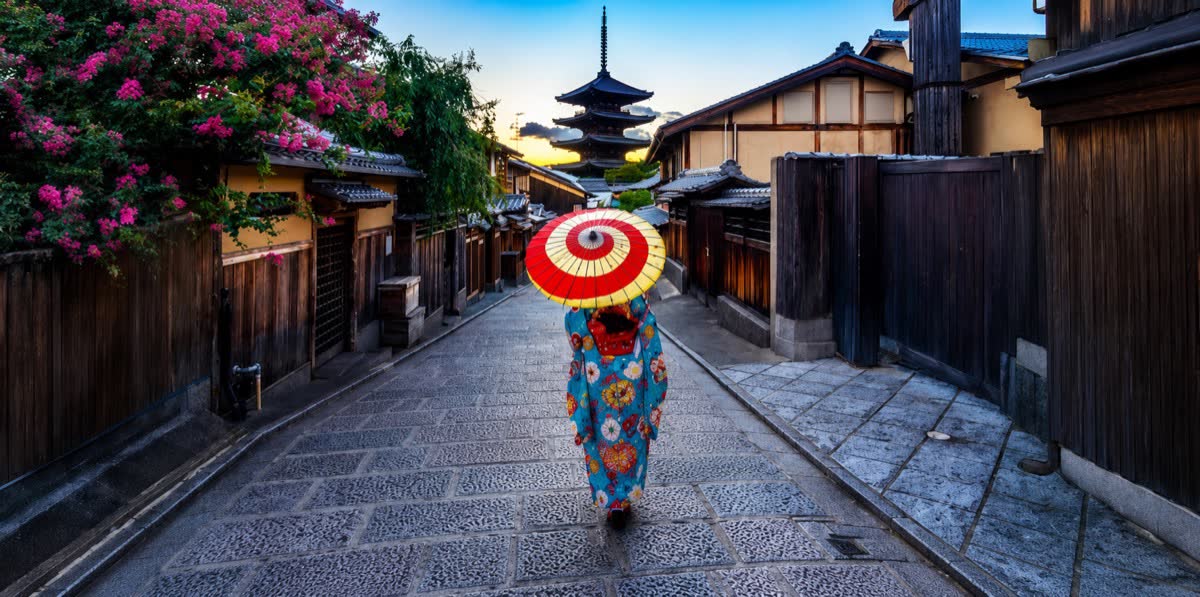
Geisha Are Not What You Think They Are
Most visitors misunderstand geisha completely. They're not entertainers in kimono — they're artists preserving 400-year-old traditions in Kyoto's hanamachi.
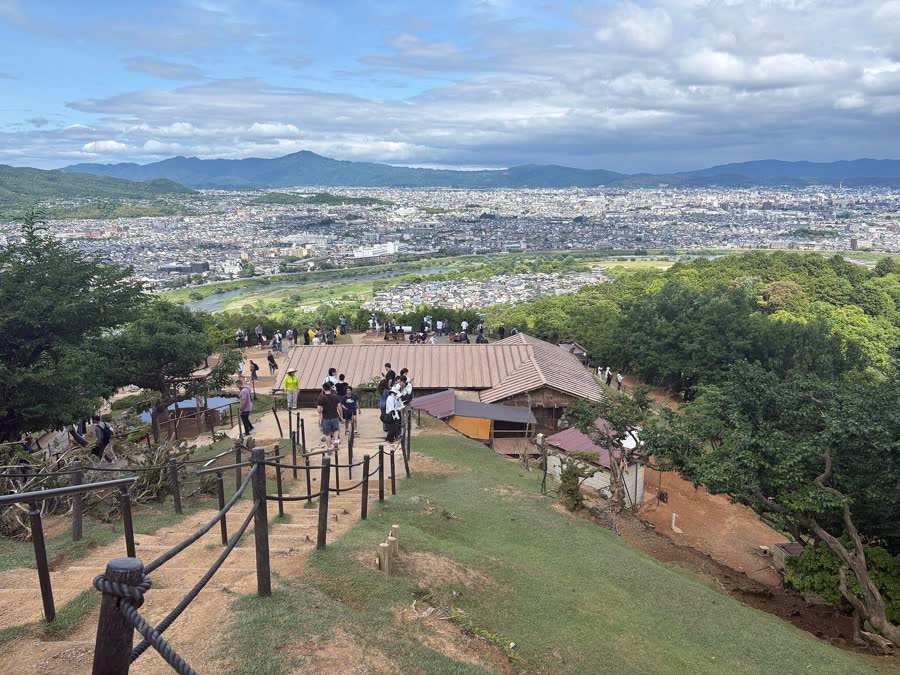
Cash vs Card in Japan: How Much Yen You Actually Need in 2026
Credit cards work widely in Kyoto, but cash still rules at shrines, kissaten, and local shops. Here's the real hybrid strategy and where plastic fails.
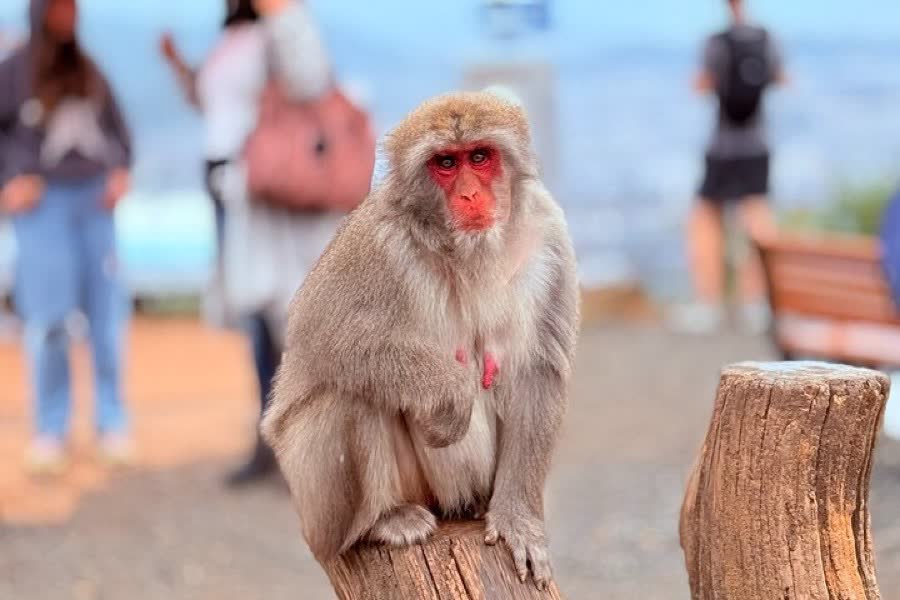
Suica, Pasmo, or Welcome Suica? The IC Card Decision in 2026
Travelers spend 20 minutes at Haneda comparing IC cards. Here's the 2026 reality: which card to buy, when mobile beats plastic, and one setup most guides miss.
Culture Shocks in Japan No Blog Warns You About
Indirect refusals, indoor smoking norms, near-silent trains—real culture shocks in Japan that catch first-timers off guard. What tourists actually experience.
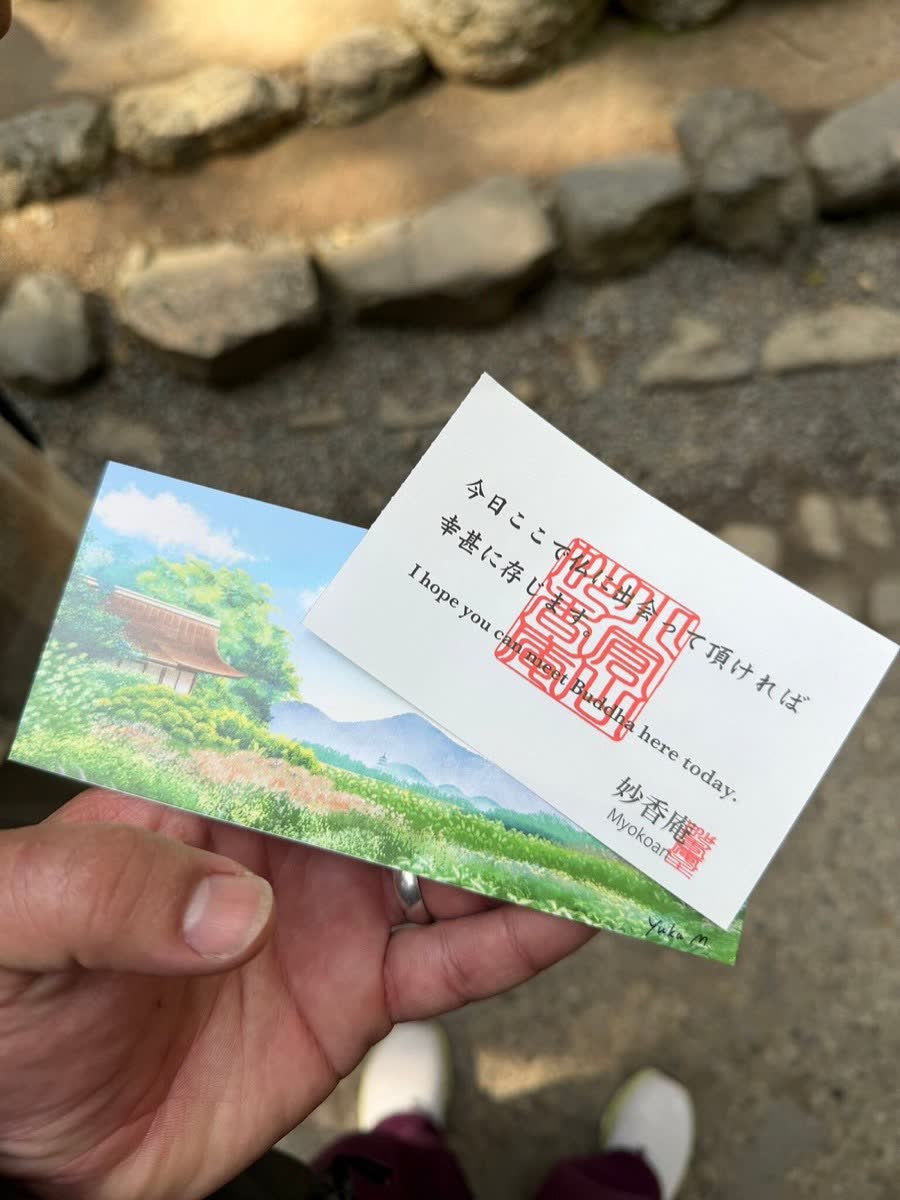
Tourist Scams in Japan: Rare, But Real (And How to Spot Them)
Japan is one of the safest travel destinations, but a few scams do exist. Learn which ones tourists actually encounter in Kyoto and how to avoid them.
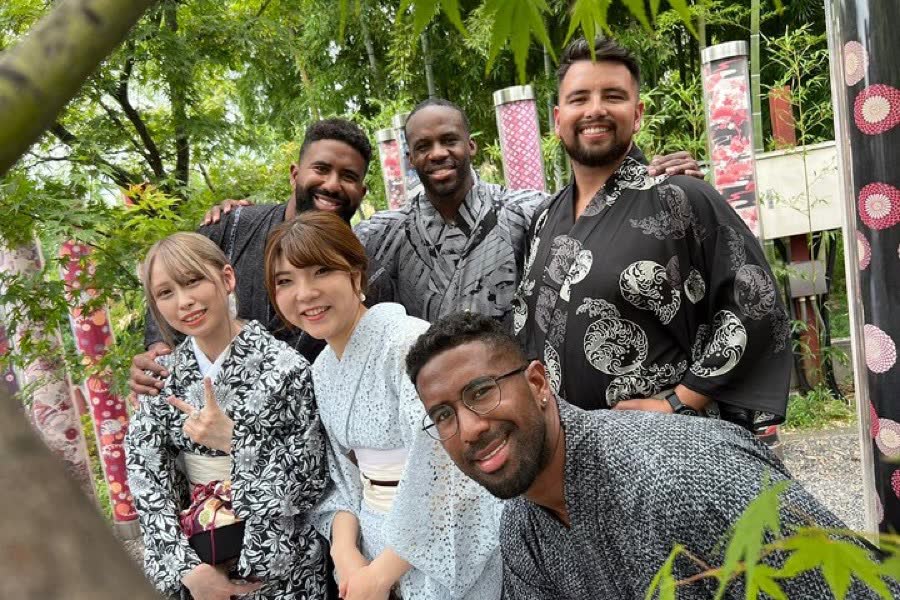
Higashiyama with Toddlers vs Photographers: Same Streets, Different Planet
Same cobblestones, opposite pace. Why Higashiyama district demands totally different strategies for families with toddlers vs solo photographers—and what works.
The Tourist Pasmo Looks Cheaper — Until You Do the Math
Japan's new Tourist Pasmo card markets itself as a tourist-friendly transport solution. But the 'souvenir' framing hides a cost trap most travelers don't notice until it's too late.
Navigating Japan's Transport Maze: Avoid Common Traveler Frustrations
Discover common pitfalls and misunderstandings when using public transportation and making reservations in Japan, and learn how to travel more smoothly.
Why Your Pocket Wi-Fi Keeps Failing in Rural Japan (And What Tourists Get Wrong)
Foreign travelers rely on pocket Wi-Fi across Japan, but many face dead zones in mountains and countryside. Understand coverage gaps, device limits, and smarter connectivity tactics.
Why Your JR Pass Might Be Costing You More Money Than It Saves
The JR Pass seems like essential Japan travel gear, but tourists often lose hundreds of dollars through poor timing and route choices. Here's what changes in 2026.