

Torii gates aren't decorative archways—they're ritual boundaries marking sacred space. Understanding what happens when you pass through one.

Omotenashi isn't customer service—it's anticipatory care rooted in tea ceremony principles. Discover why Japanese hospitality operates on different cultural logic.

Most visitors misunderstand geisha completely. They're not entertainers in kimono — they're artists preserving 400-year-old traditions in Kyoto's hanamachi.

Kinkaku-ji isn't worth your time. Here's why Kyoto's golden pavilion fails travelers and which temples deliver the experience you actually want.

Is Tokyo + Kyoto + Osaka in 10 days realistic? Real breakdown of the "Golden Route" — what works, what stresses first-timers, and how to pace it right.

Travelers spend 20 minutes at Haneda comparing IC cards. Here's the 2026 reality: which card to buy, when mobile beats plastic, and one setup most guides miss.
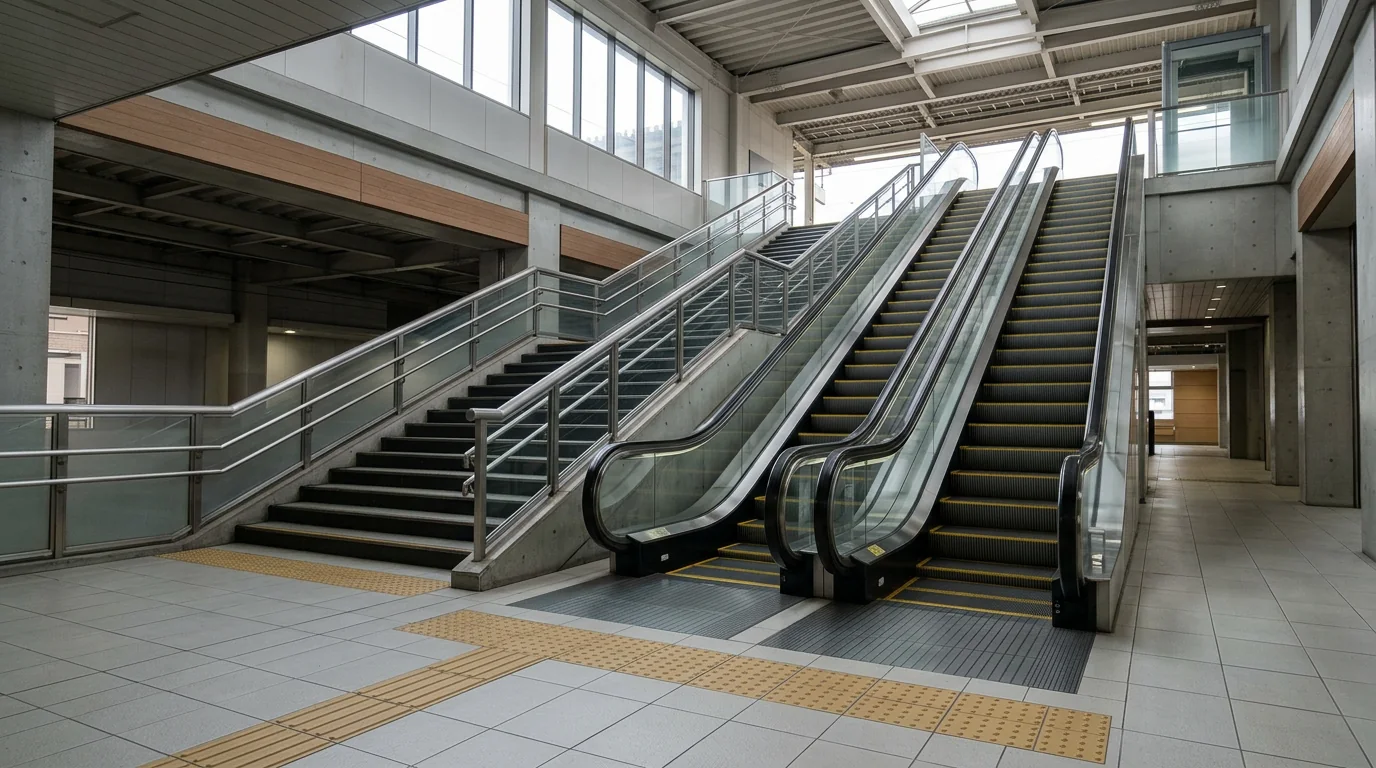
Tokyo left, Osaka right? That familiar escalator habit misses what railway operators actually recommend. Here is the practical answer, including Kyoto and travelling with luggage.

The small tray at every Japanese register isn't decorative. Here's what it's actually for, when to use it, and what goes wrong when you don't.

Kyoto National Museum's Tale of Genji exhibition opened October 6. Here are the ticket prices, English audio guide, display rotations and October holiday closures to check before visiting.

Kurayoshi's white-walled storehouses deserve more than a photo stop. Plan a car-free Tottori detour with honest rail-time trade-offs, local buses and an optional art-museum visit.

A week of events across Kyoto, Kobe and Osaka from 7 to 14 October: Kyoto Experiment, Kyoto Music Expo, shrine festivals, markets and a Ghibli concert.

Eating on Japanese trains isn't one blanket rule. Here's what JR Central, Tokyo Metro and Japan's tourism board actually say about bentos, commuter trains and considerate travel.
We'll get back to you as soon as possible — usually same day. Want it even faster? Most travelers find their answer in 10 seconds on our FAQ page.