
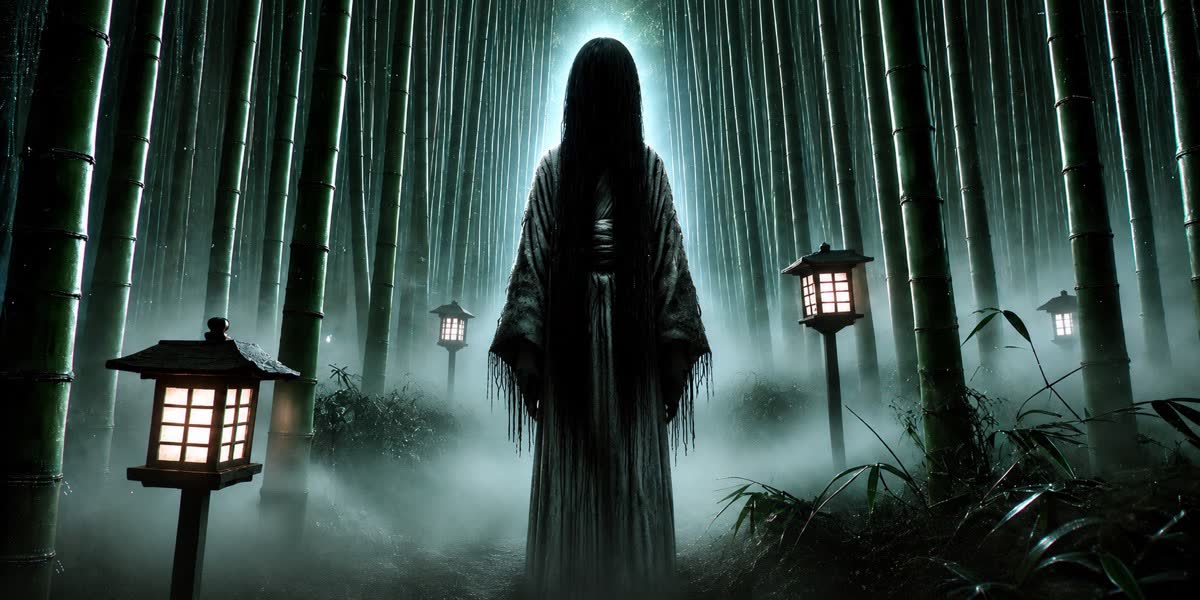
Yokai (妖怪) are supernatural creatures from Japanese folklore — a broad category covering shape-shifters, tricksters, nature spirits, and monstrous beings. They are not ghosts. They are something older and stranger: entities that have always existed alongside humans in Japan's mountains, rivers, forests, and old neighborhoods.
If you're visiting Kyoto or Osaka and want to understand why the old city feels haunted in a way that goes beyond tourist brochures, yokai are a good place to start.
Yokai vs. Yūrei: the key distinction
The most useful thing to understand before going deeper is the difference between yokai and yūrei.
- Yūrei (幽霊) are ghosts — the spirits of dead humans, bound to the world by grief, jealousy, or an unresolved desire for revenge. They look like people. They used to be people.
- Yokai (妖怪) were never human. They are a separate class of supernatural entity: nature spirits, magical animals, animated objects, creatures from the edges of the known world.
In Japanese storytelling, this distinction matters because the rules are different. A yūrei needs its grudge resolved or its body properly buried. A yokai has its own logic, weaknesses, and motivations — often tied to a specific place, element, or behaviour.
The most famous yokai in Japan
Japan's yokai catalogue is vast — scholars have documented hundreds of distinct types. These are the ones you're most likely to encounter in Kyoto and Osaka's folklore:
Kappa
A river-dwelling creature that resembles a humanoid turtle, with a water-filled dish on its head. Kappa are notorious for drowning people and animals — and for their obsessive love of cucumbers (which is why cucumber sushi rolls are called kappa maki). Rivers and canals throughout Japan have kappa warning signs, treated with a wink but not entirely as a joke.
Tengu
Mountain spirits with a long nose, red face, and association with martial arts and warrior culture. Tengu are proud, powerful, and dangerous if provoked. In Kyoto, several temples in the mountains are associated with tengu activity — the Kurama area north of the city has particularly strong tengu traditions.
Kitsune
Fox spirits with the ability to possess humans, take human form, and act as divine messengers. Kitsune can be benevolent or malicious depending on their nature and the situation. They are closely associated with Inari shrines — including Fushimi Inari in Kyoto, where the thousands of red torii gates are dedicated to the fox-spirit deity.
Tanuki
Raccoon dogs with shape-shifting powers and an association with good luck and sake. The rotund tanuki statue outside restaurants and bars is one of Japan's most recognizable folk images. Unlike most yokai, tanuki are generally friendly — mischievous rather than dangerous.
Oni
Horned ogres associated with hell, punishment, and disease. Oni carry iron clubs and appear in Japanese art as figures of terror — but also as protectors who ward off evil when properly appeased. During the Setsubun festival in February, Japanese families throw beans while shouting "Oni wa soto!" (Demons out!) to drive away misfortune.
Why yokai matter in Kyoto
Kyoto was Japan's capital for over a thousand years. The city's history involves plague, war, political violence, and prolonged periods of instability — and yokai folklore grew in part from the need to explain and contain that history. Certain districts of Kyoto have specific yokai traditions tied to their landscape: the bamboo forests at Arashiyama are associated with spirits that disorient travelers; the old execution grounds in the city have a dense folklore of restless entities; epidemic disease outbreaks in the medieval period generated entire new categories of supernatural explanation.
Walking through Kyoto with this context changes what the old city looks like.
How to experience yokai folklore in Kyoto
There are two ways Japanify covers this territory:
- Cursed History & Yokai Legends Tour — focuses specifically on yokai mythology, Kyoto's dark history, and the stories behind the city's most famous supernatural traditions. This is the right tour if your primary interest is folklore, mythology, and the historical context behind the legends.
- Kyoto Ghost Tour — covers the yūrei side: ghost stories, haunted places in Arashiyama, and the bamboo forest after dark. A mix of folklore and atmosphere, with less historical depth but a stronger sense of place.
Both tours are small-group (max 12 guests), run in English, and take place in Arashiyama after sunset.
FAQ
What is a yokai?
Yokai are supernatural creatures from Japanese folklore — a broad category that includes shape-shifters, tricksters, nature spirits, and monstrous beings. They are distinct from yūrei (ghosts of the dead) and have their own logic, weaknesses, and place in Japanese storytelling.
What is the difference between a yokai and a yurei?
Yūrei are ghosts — spirits of dead humans, bound to the world by strong emotion. Yokai were never human: they are supernatural entities tied to places, objects, and natural phenomena. The rules and behaviors of each are quite different in Japanese tradition.
What are the most famous yokai?
Kappa (river creature), tengu (mountain spirit), kitsune (fox spirit), tanuki (raccoon dog), and oni (horned ogre) are the most widely known. Each region of Japan has its own local yokai tied to specific landscapes and history.
Where can I learn about yokai in Kyoto?
Japanify's Cursed History & Yokai Legends Tour covers the folklore and dark history connected to specific Kyoto locations. The Kyoto Ghost Tour covers the ghost-story side in Arashiyama after dark.